With the band: 1969–2014
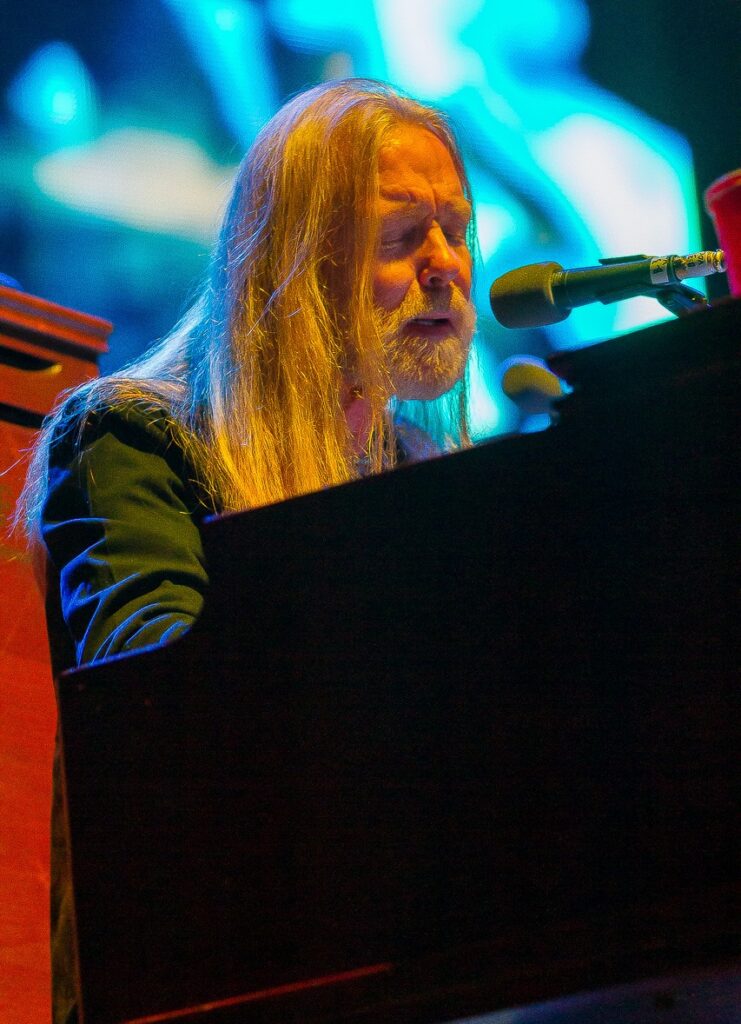
Instruments: Organ, vocals
A Legendary Performer
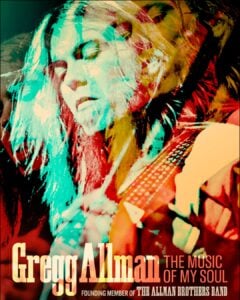
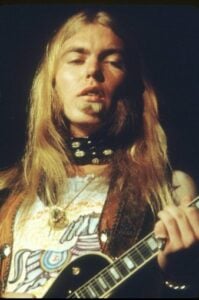
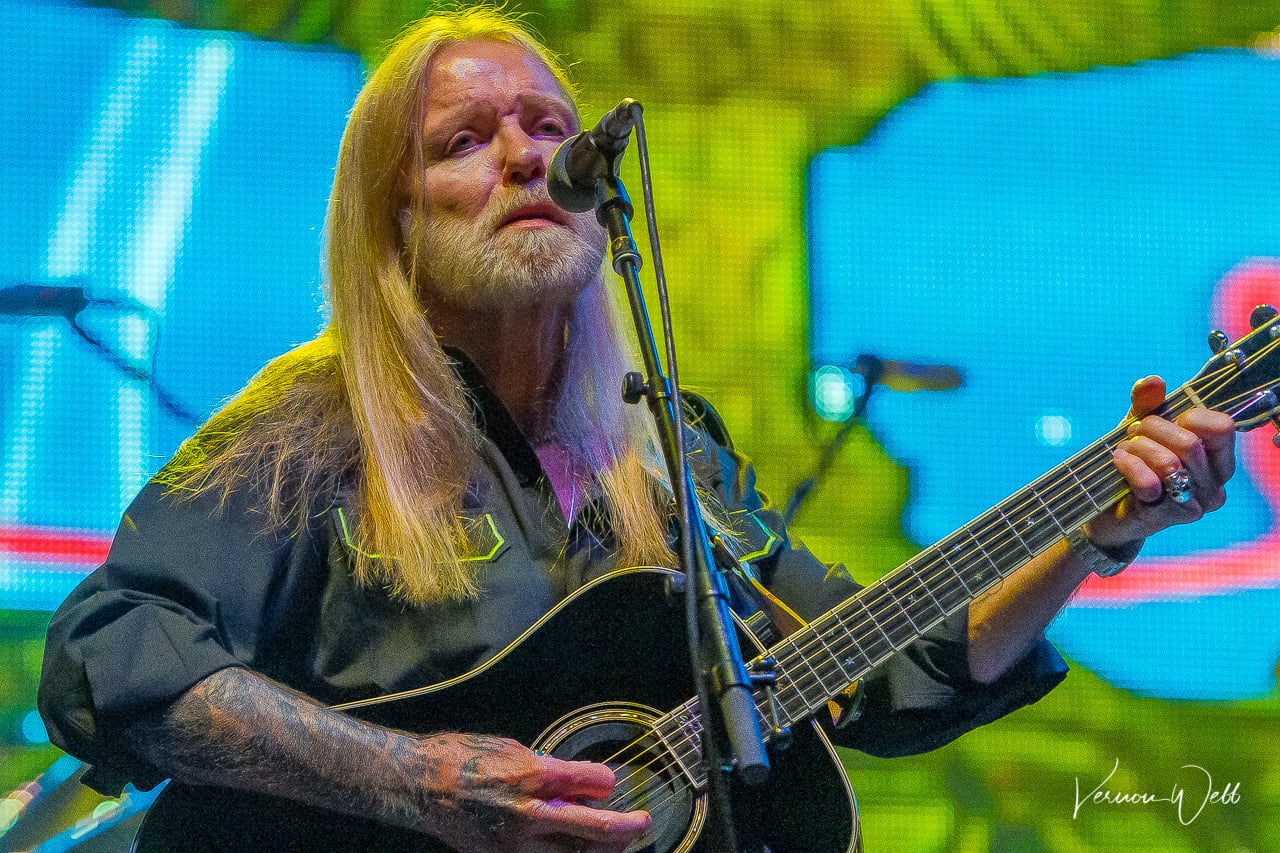
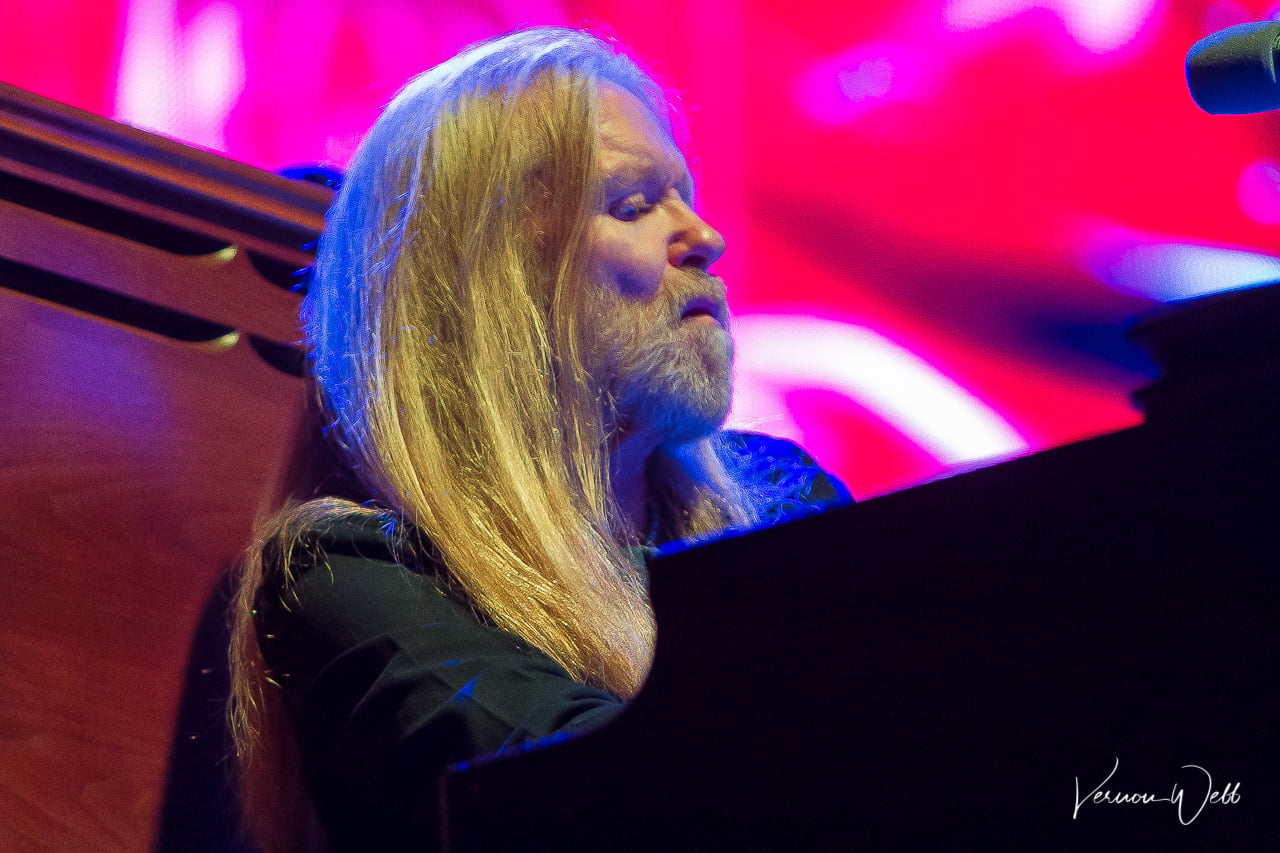
Rock ‘n Roll Hall of Famer Gregg Allman was both a founding member of one of the biggest and most important American bands of all time, The Allman Brothers Band, and a critically acclaimed solo artist who recorded and toured with ‘Gregg Allman & Friends.’ A natural artist gifted with a beautifully soulful and distinctive voice as well as brilliant keyboard and guitar expertise, Allman was a legendary performer who, decades down the road, still loved making music as much as ever.
At the start of his enduring career, Gregg Allman and brother Duane put together a number of different groups, including their very first professional ones, The Allman Joys, and The Hour Glass. Whatever the configuration, Gregg’s powerful lead vocals, emerging songwriting and keyboard prowess perfectly complemented Duane’s now legendary guitar virtuosity. In 1969, their brotherhood made history with the formation of the massively influential act that both kick-started the entire genre of Southern Rock and defined an era of ‘70s rock ‘n roll with its freewheeling yet musically masterful sound, The Allman Brothers Band.
A Musical Powerhouse
The band’s unique amalgam of rock, blues, country and even jazz flourishes expanded the boundaries of rock music, and their signature extended onstage jamming set new standards for live concert performance. In addition to his singing and playing, Gregg wrote many of their most memorable signature hits, including the classics “Whipping Post” and “Dreams” from their self-titled debut album, and “Midnight Rider” and “Please Call Home” from their second LP, Idlewild South. In 1971, at the height of fame, and just two weeks after their legendary live record At Fillmore East was certified Gold, The Allman Brothers Band suffered the tragic and untimely passing of Duane Allman, and the very next year, of bassist Berry Oakley. Despite the losses, Gregg dedicated himself to keeping The Allman Brothers tradition alive, and the band remained a musical powerhouse, acclaimed both on record and onstage, through its final concert in 2014. Along with Gregg, original members Butch Trucks and Jaimoe stayed brothers in arms to the end.
The first of Gregg Allman’s solo albums outside of his work with ABB, Laid Back, was released in 1973, the same year that The Allman Brothers’ monstrously successful Brothers & Sisters topped the album charts. Laid Back’s subtly textured, eclectic mix of rock, folk, R&B and gospel inflections drew rave reviews and instantly put Gregg on the map as an accomplished touring solo artist. Subsequent solo releases include the live Gregg Allman Tour ’74, (recorded at Carnegie Hall) and 1977’s Playin’ Up A Storm (which also featured the musical artistry of greats Dr. John and Little Feat’s Bill Payne). In 1987 Gregg released his second gold album I’m No Angel, which generated a #1 Album Radio hit with the unforgettable title track, a self-meditation on Allman’s often bad-boy ways.
Simplicity Found
After that hit’s follow-up, 1988’s After The Bullets Fly, Gregg Allman directed his energy to the reformation of the ABB. That effort resulted in multiple Grammy nominations and The Allman Brothers Band’s induction into the Rock ‘n Roll Hall of Fame. In 1997 Gregg released Searching For Simplicity, the album he felt represented some of his very best work. “I really took my time with that one,” says Gregg, “It took me three years just to write songs and gather the material…I put the record together in a manner so that each tune knocked my socks off.” The making of Searching For Simplicity also put Allman together with the Alameda All-Stars, a hardworking crew of San Francisco-based players who formed the backbone of ‘Gregg Allman & Friends’ for years afterward. In 2001–02, Gregg’s band included Tommy Miller and Mark McGee of the All-Stars; Floyd Miles, who introduced a young Gregg to R & B, soul and the blues; Bill Stewart, who recorded with Gregg in the 70’s and 90’s; Danny Louis, from the Warren Haynes Band; and the New York horn section of Richard Boulger, Jay Collins, and Chris Karlic.
Even with many familiar faces surrounding him in ‘Gregg Allman & Friends,’ there was still a major difference for Gregg between his solo endeavors and the Allman Brothers Band efforts. “There’s only one cook in the kitchen,” he says, “only one chef. I let the soloists do their thing – you’ve gotta let a man do a solo the way he wants – but as far as picking the tunes and working on the arrangements, I take full responsibility for it.” On Searching For Simplicity, as well as his other solo albums and tours, Gregg Allman had indeed found a recipe that worked.
Gregg Allman weathered many tragedies in life– as well as the occasional pitfalls and detours of a full-tilt rock ‘n roll lifestyle– and continued on to grow both personally and musically. Having searched for blissful simplicity in life as in art, Gregg Allman continued to perform with his own bands and the ABB, living in Georgia with his dogs and several “cherry” Harley Davidson motorcycles. Simple as that.
Gregg Allman died at his home near Savannah, Georgia, on May 27, 2017, at the age of 69. His final album, Southern Blood, came out that September.
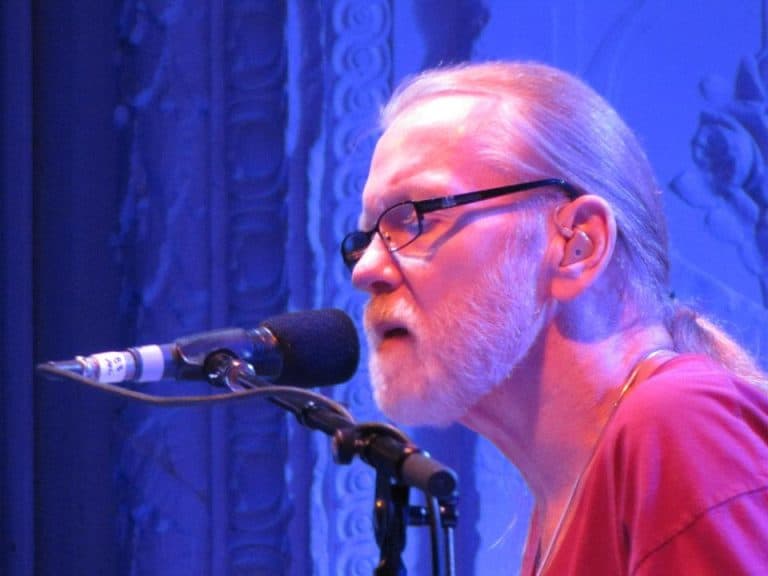
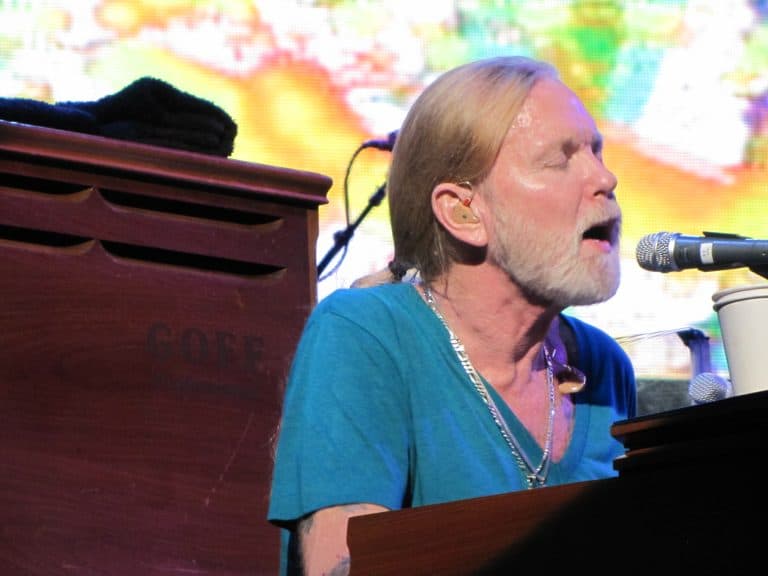
Gregg Allman in the Photo Gallery
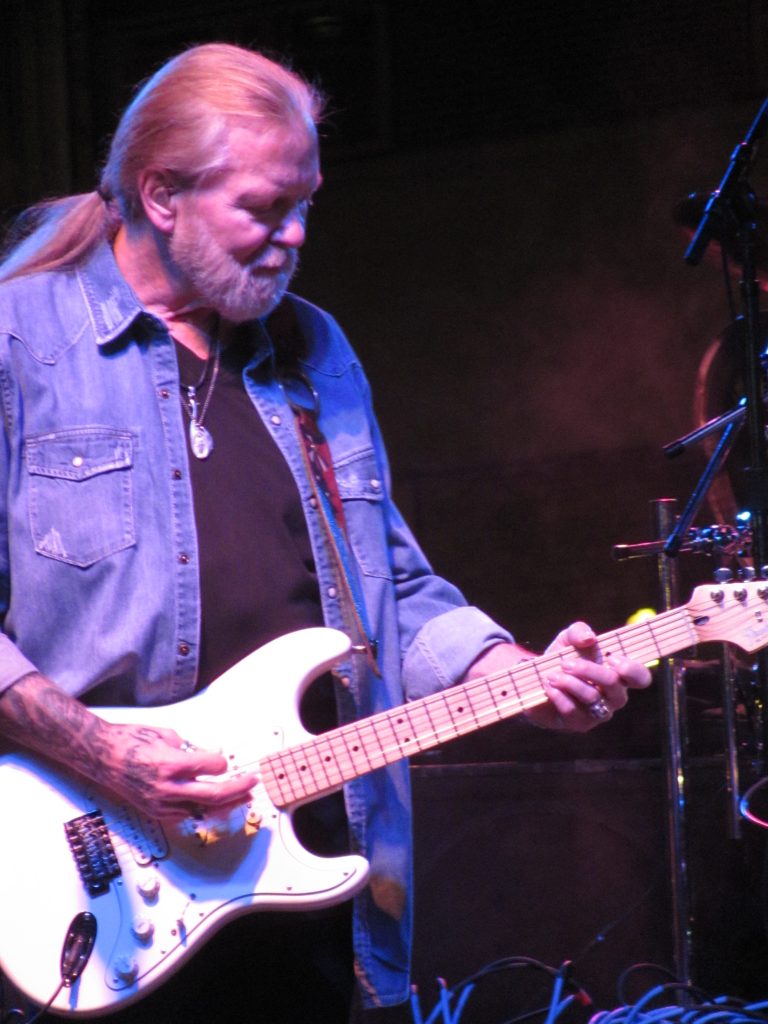
Visit the Gallery for More Photos…
More about Gregg